We’re closing in on the end of 2025, and new granny flat rules are just around the corner, expected to start in early 2026. You’ve been asking what these changes mean and how they’ll impact your plans. After digging into the details, here’s a clear rundown of the proposed rules and what they mean for you.
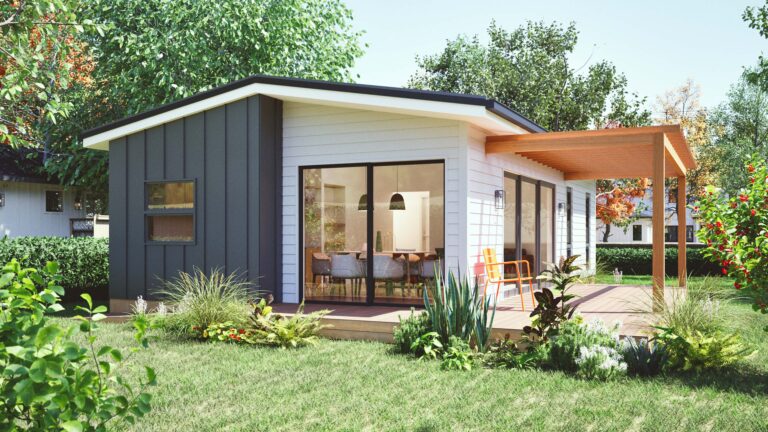
The new law, part of the Building and Construction (Small Stand-alone Dwellings) Amendment Bill, lets you build small standalone homes (up to 70 m²) without a building consent if they meet strict criteria. Think of it as a checklist: tick all the boxes, and you skip the consent process. If your project doesn’t fit (e.g., it’s too big or attached to your house), you’ll need to follow the usual council rules for building and resource consents. A separate proposal might also waive resource consents in many areas, making it even easier.
Based on the latest details from the Building and Construction (Small Stand-alone Dwellings) Amendment Bill (for building consent exemptions) and the proposed National Environmental Standards (NES) under the Resource Management Act (for resource consent simplifications),
First, a quick note on current general requirements (pre-2026, varying by council district plans):
- Zoning & Number: Typically permitted in residential/rural zones; 1 per site, ancillary to main dwelling, common ownership.
- Size: Max 60 m² internal floor area.
- Proximity: Setbacks e.g., 1-3 m sides/rear, 5-10 m front (residential); 3-5 m sides/rear, 20-50 m front (rural); often max 25-30 m from main house.
- Wastewater/Stormwater: Connect to reticulated services if available; onsite systems need resource consent for discharge (e.g., septic sized for 4-6 people), regional rules for rural.
- Fire Safety: Building Code Clause C compliance (e.g., interconnected smoke alarms, 6 m separation from other buildings or fire-rated walls; electric/gas heaters only in some zones).
- Other: Max height 4-5 m; building coverage 35-50%; impervious surface min 20-40% permeable; vehicle access shared with main house.
Key Changes: The Bill exempts building consents for qualifying new builds (70 m² max, simple design). The NES (expected alongside) waives resource consents in residential/rural/mixed-use/Māori zones if standards met, overriding stricter local rules but allowing councils to keep lenient ones. Wastewater/fire still require Code compliance and possible regional consents. Proximity rules are now nationally consistent and more permissive in residential zones.
Detailed Proposed Rules (Early 2026 Onwards)
| Requirement Category | Specific Details (Building Consent Exemption – Bill) | Specific Details (Resource Consent Simplification – NES) | Key Changes from Current Rules |
|---|---|---|---|
| Size & Coverage | – Net floor area ≤70 m² (includes internal garage; measured inside walls). – Single-storey only; max floor level 1 m above ground; max height 4 m above floor. | – Max internal floor area 70 m². – Max building coverage: 50% of site (combined with main dwelling) in residential/mixed-use/Māori zones; no max in rural zones. | – Size up from 60 m². – National coverage cap (vs. varying 35-50%); no rural limit (previously often 10-20%). |
| Proximity to Boundaries | – ≥2 m from any legal boundary or other structure (enforced via exemption conditions). | – Residential zones: ≥2 m from front, side, rear boundaries. – Rural zones: ≥10 m front; ≥5 m side/rear. | – Uniform national setbacks (previously 1-10 m varying by council). – More generous in residential (down from 3 m in some); stricter front in rural for larger sites. Bill adds boundary rule to building process. |
| Proximity to Other Dwellings | – Standalone; ≥2 m from main house or other buildings. | – ≥2 m from principal dwelling. – No privacy/sunlight/glazing standards apply. | – Fixed min distance (previously max 25-30 m limit in some plans, no min). – Removes subjective privacy rules, easing urban infill. |
| Wastewater & Stormwater Disposal | – Simple systems only: Comply with Building Code Clauses G13 (foul water) & E1 (surface water) via Acceptable Solutions. – Connect to network utilities (sewer/stormwater) if available; onsite systems exempt from building consent but must meet Code (e.g., septic sized for occupancy, not current use). – Plumbing by licensed pros; new Record of Work form required. | – No national standards; defaults to district/regional rules (e.g., shared systems with main house permitted). – Councils can’t add new parking/access rules affecting disposal. | – Onsite exempt from building consent (previously required); but resource consent still needed for rural discharge (no change). – PIM mandatory for any changes; development contributions due post-build. – Upcoming Taumata Arowai standards (end-2025) will tighten onsite design (e.g., higher effluent quality). |
| Fire Safety & Protection | – Full Building Code Clause C compliance (e.g., interconnected smoke alarms; electric/gas heaters only; no solid fuel). – Lightweight materials reduce fire load (roof ≤20 kg/m²; frame light steel/timber; walls ≤220 kg/m²). – ≥2 m separation from other buildings provides basic compartmentation. | – No specific NES rules; relies on Building Code. – No additional council fire access standards (e.g., no extra vehicle turning for fire trucks). | – Compliance without consent verification (risk on owner/builder). – Heaters limited to electric/gas (aligns with some plans; previously wood burners allowed in rural). – Proximity rules aid separation (previously variable). |
| Height & Design | – Single-storey; max 4 m height; simple/lightweight construction only (no complex features like mezzanines). – Classified as detached dwelling (Clause A1); durable per Clause B2. | – No height limit in NES (relies on zone rules, typically 4-5 m for single-storey). – No height-to-boundary rules. | – Explicit single-storey cap (previously up to 2-storey in some). – No mezzanines (new restriction from Sept 2025 Select Committee). |
| Site & Other Limits | – Residential/rural-zoned sites only; 1 per site; not across allotment boundaries. – No natural hazards (or protections must be in place; else consent required). – Independent electricity/gas supply. | – 1 per site; common ownership with main dwelling. – No outdoor living space or parking requirements. – Applies to residential/rural/mixed-use/Māori zones. | – National eligibility (previously zone-specific). – Removes parking/outdoor mandates (saves space; previously 1-2 spaces required). – Hazard opt-out if protected (previously full consent). |
These rules ensure safety while cutting bureaucracy—e.g., no consents if all met, but pros must certify work. For your site, a PIM (issued in 10 days) flags local tweaks (e.g., hazards). Check MBIE or your council for finals, as the Bill awaits second reading (post-Sept 23, 2025). If you need region-specific examples (e.g., Auckland setbacks).
Check out our range of eligible cabins and homes HERE
To find out more about our range, features and bespoke options Get in touch today.