It’s been a few weeks since the new granny flat legislation came into effect, and one thing is clear interest has surged, along with a lot of questions.
We’ve been fielding the same questions again and again, so we’ve pulled together clear answers to the most common ones we’re hearing. Here’s what you need to know.
Q: What is the new granny flat legislation?
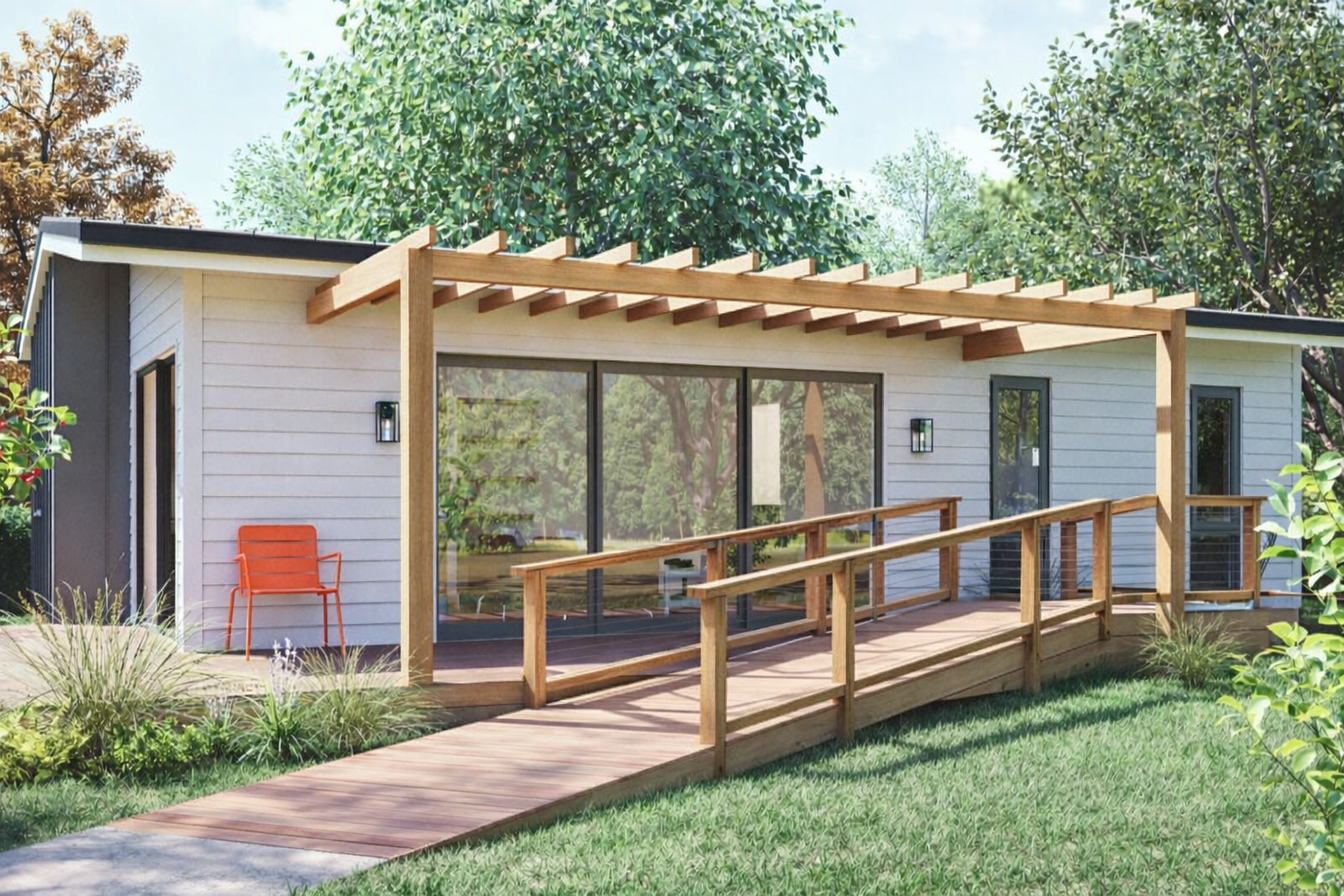
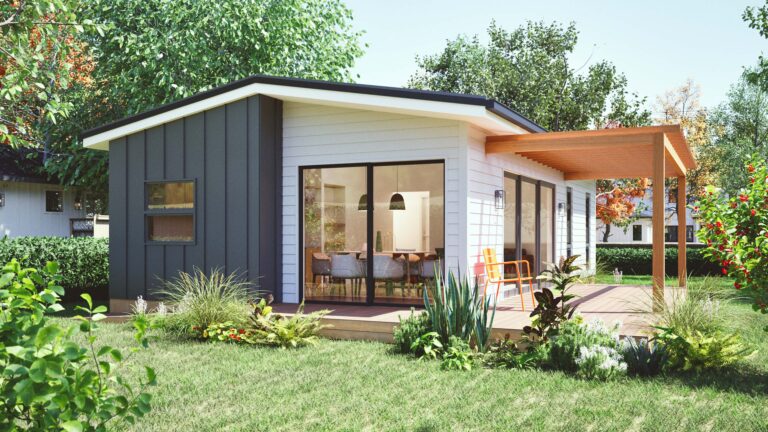
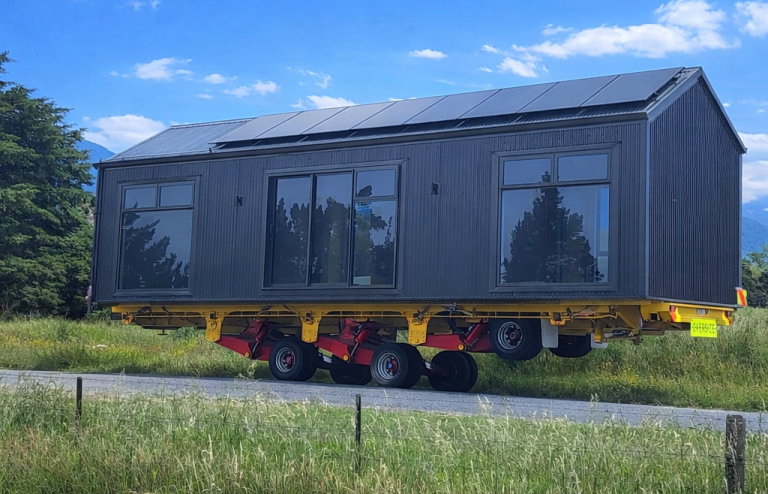
On 15 January 2026, changes to the Building Act 2004 came into force, introducing a new building consent exemption for small standalone dwellings (commonly referred to as granny flats) up to 70m².
Under this legislation, homeowners may build a new, standalone, self-contained, single-storey dwelling with a net internal floor area of 70m² or less without applying for a building consent, provided all exemption conditions are met. It’s important to understand what this exemption does (and doesn’t) cover:
– The exemption applies to new builds that are standalone dwellings.
– The exemption does not remove the requirement to comply with the New Zealand Building Code or remove council involvement, councils must still be notified.
The intent is to remove unnecessary consenting delays, while still maintaining safety, quality, and accountability.
Q: What does this mean for me as a homeowner?
If your project meets the criteria, the new rules can make building a granny flat significantly more achievable. Potential benefits include:
– Reduced build time by removing the formal building consent process.
– Lower consenting costs and fewer delays.
– A simpler pathway to adding a second dwelling to your property.
However, it is important to note the responsibility doesn’t disappear, it simply shifts. As the homeowner you are still responsible for ensuring:
– The design meets all exemption criteria.
– Licensed Building Practitioners (LBPs) are used where required.
– Your local council is notified before construction starts and once it’s completed.
– All work complies fully with the New Zealand Building Code.
– All required documentation is completed, collected, and retained.
Q: How do I know if my granny flat qualifies?
You are likely to qualify for the exemption only if all of the following are true:
– The dwelling is 70m² or less, measured as net internal floor area.
– It is single storey (no mezzanines or upper levels).
– It is standalone (not attached to another building).
– It is fully self-contained, with kitchen, bathroom, and living facilities.
– The design is simple and lightweight, as defined by MBIE guidance.
– The work is carried out or supervised by Licensed Building Practitioners.
– You notify your local council before construction begins and once completed.
– The site is not constrained by natural hazards that would trigger consenting.
– All work fully complies with the New Zealand Building Code.
If any one of these conditions is not met, a full building consent may still be required.
Q: What is still required and what is not exempt?
While the dwelling itself may be exempt from a building consent, many elements of the build are not exempt.
Still required:
– A Project Information Memorandum (PIM) before starting construction.
– Licensed trades for plumbing, drainage, electrical, and gas work.
– Records of Work and Certificates of Work at completion.
– Electrical and gas safety certificates.
– Council notification before and after construction.
– Compliance with district plan rules (height limits, setbacks, site coverage).
– Natural hazard assessments where applicable.
– Approval for connections to network utilities.
– Meet the rules and requirements of the Resource Management Act.
Not exempt:
– Poor design or non-compliant construction.
– DIY or unlicensed work.
– Multi-storey or attached dwellings.
– Builds started before 15 January 2026.
– Work on hazard-affected sites without proper mitigation.
Importantly, the exemption is not retrospective, any work started before 15 January 2026 does not qualify.
Q: Will I need resource consent for a granny flat?
Removing building consent does not remove resource consent obligations. The Government intends to introduce a National Environmental Standard (NES) requiring councils to permit one minor dwelling per property without resource consent, provided the site meets fundamental planning standards.
You may still require resource consent if your property is subject to:
– Zoning restrictions.
– Height or recession-plane rules.
– Boundary setbacks.
– Site-coverage limits.
– Flood zones, coastal hazards or erosion overlays.
– Heritage or landscape protections.
This is one of the most common areas where home owners misunderstand the exemption. The build may not need a building consent, but your land may still be restricted under the Resource Management Act. Cosy Cabins can complete an RMA-planning compliance review to confirm eligibility.
Q: Will Development Contributions apply?
Councils may still levy development contributions through the Project Information Memorandum (PIM) process. These charges fund local infrastructure such as water, wastewater, stormwater, transport networks, parks and community facilities. A “consent-exempt” build does not mean a “fees-exempt” build. Budgeting for development contributions remains essential.
Q: Can I rent out a Granny Flat?
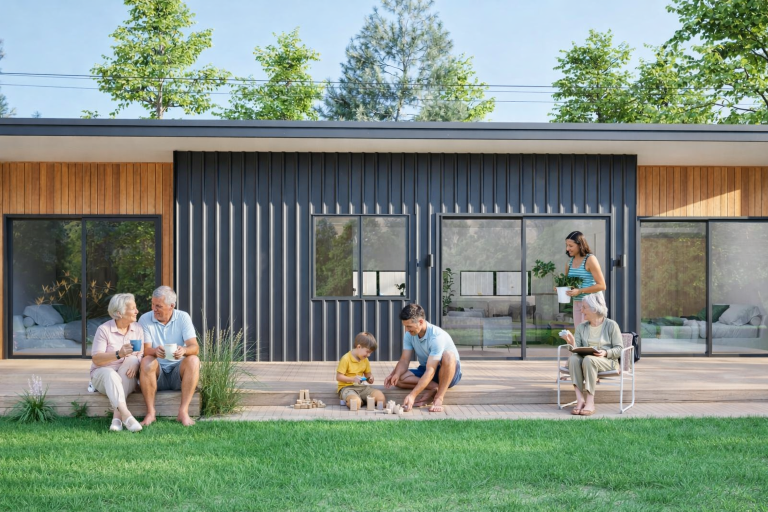
Yes, you can rent out a consent-exempt granny flat, provided it complies with the Residential Tenancies Act and the Healthy Homes Standards. This means the dwelling must have compliant heating, insulation, ventilation, moisture ingress and drainage controls.
Consent exemption does not reduce your obligations as a landlord. Find out more about your rights and responsibilities as a landlord at Information for new landlords » Tenancy Services.
The new granny flat rules are a genuine step forward, making it faster and more accessible to add a small, self-contained dwelling to your property. But they are not a shortcut around quality, safety, or compliance.
Getting it right from the start with the right design, the right professionals, and the right process is what turns this exemption into an opportunity rather than a risk. If you’re considering a granny flat and want clarity on whether your site or design qualifies, getting advice early can save a lot of time and stress later.
Granny flats exemption: Guidance and resources | Building Performance
Talk to our team to confirm whether your site and design qualify under the new rules and avoid costly surprises later. Get in touch today.