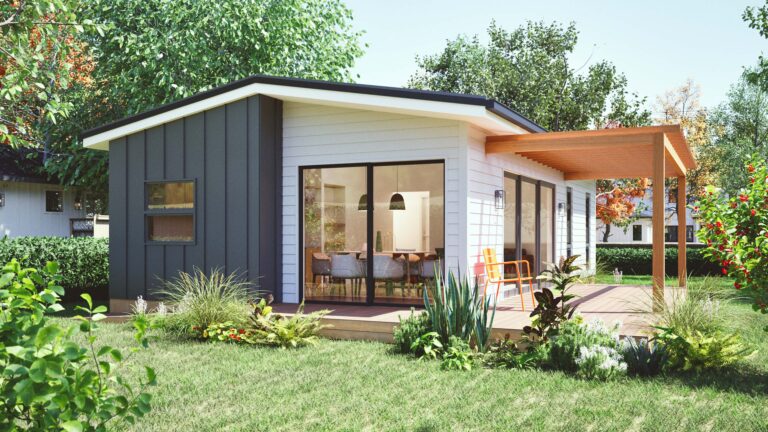
We Got RMA Tweaks! – Granny Flat Update!
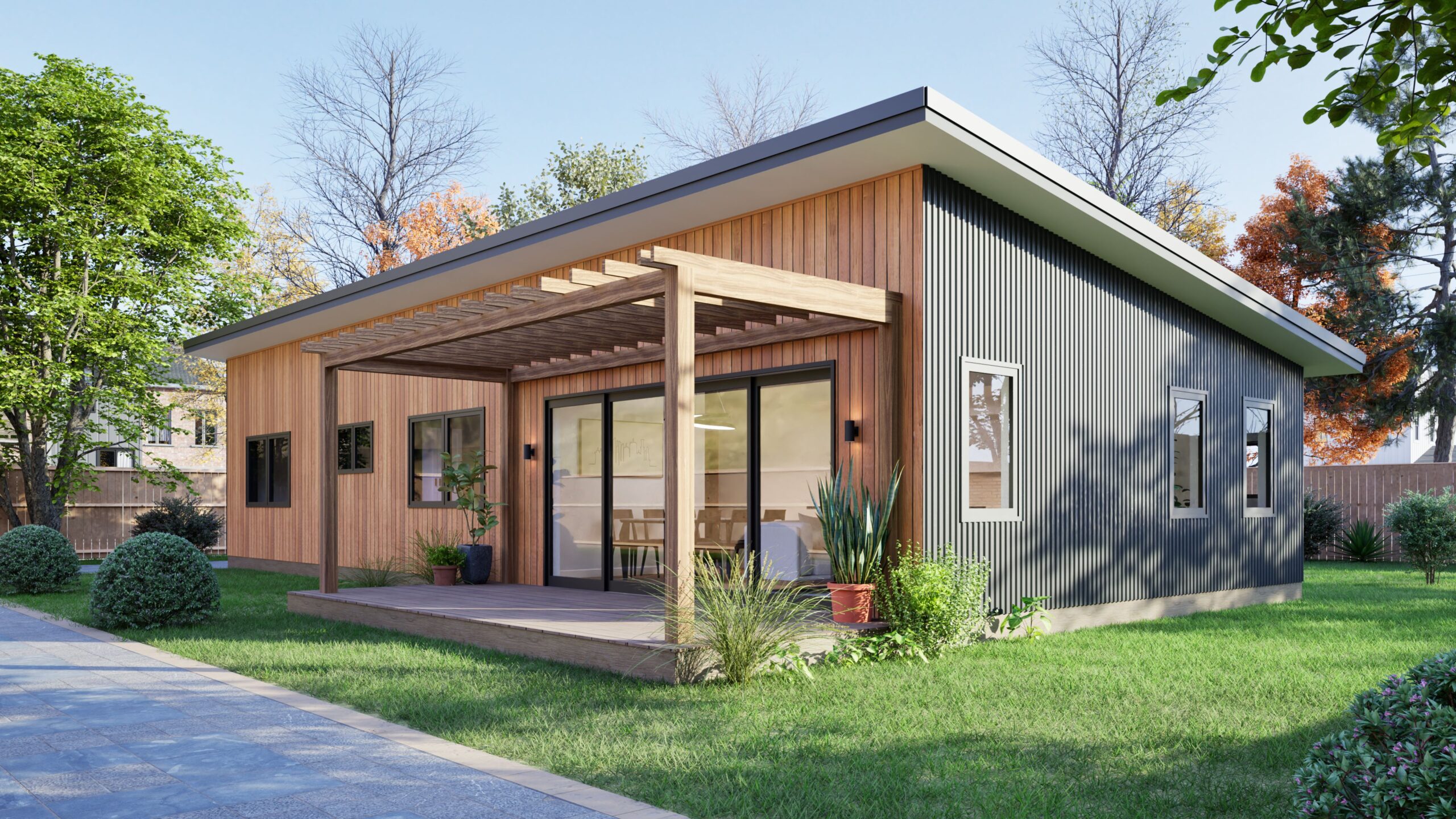
New Zealand’s housing crisis is getting a game-changing fix! The government’s reforms to the Resource Management Act (RMA) and Building Act are making it easier to build granny flats and Papakāinga (communal Māori housing). Cosy Cabins’ transportable granny flats are the perfect fit, offering affordable, flexible solutions. Here’s a lively rundown of the timeline, current status, and why a Cosy Cabins granny flat is your smartest move yet!
Timeline of Key Developments
April 2024: The National-NZ First coalition proposed scrapping resource and building consents for dwellings up to 60m², like Cosy Cabins’ granny flats, to boost housing.
June–August 2024: Public feedback (nearly 2,000 submissions!) supported bigger flats (up to 70m²) and papakāinga, with Cosy Cabins’ portable designs a top choice.
April 2025: Consent exemptions for granny flats up to 70m² were confirmed, aligning perfectly with Cosy Cabins’ offerings.
May 2025: Three discussion documents proposed 16 national direction instruments, including a National Environmental Standard (NES) for granny flats and papakāinga. Feedback is open until July 27, 2025.
What’s Happening Now (June 3, 2025)
The government’s NES for granny flats allows one portable flat (up to 60m² internal floor area) per property title without resource consents, provided it meets standards: 8m front yard setback and 3m side/rear setbacks in rural zones. Other rules, like fire clearance (e.g., Nelson’s defensible space), firefighting water storage, natural hazard provisions, wastewater/stormwater disposal, and vehicle access, still apply. If these aren’t met, consents may be needed. The NES is under consultation until July 27, 2025, so final details could shift. Building consent exemptions for granny flats are in progress, with Licensed Building Practitioners ensuring quality.
What’s Next?
July–August 2025: Consultation closes, and the second RMA Amendment Bill hits Parliament, targeting passage by mid-2025.
October–December 2025: New rules, including the NES, enable Cosy Cabins’ granny flats without resource consents. Guidance materials will roll out.
Early 2026: Building consent exemptions for granny flats up to 70m² take effect, simplifying Cosy Cabins’ installations.
Late 2025–2026: The RMA will be replaced, potentially streamlining housing further.
Why Choose Cosy Cabins?
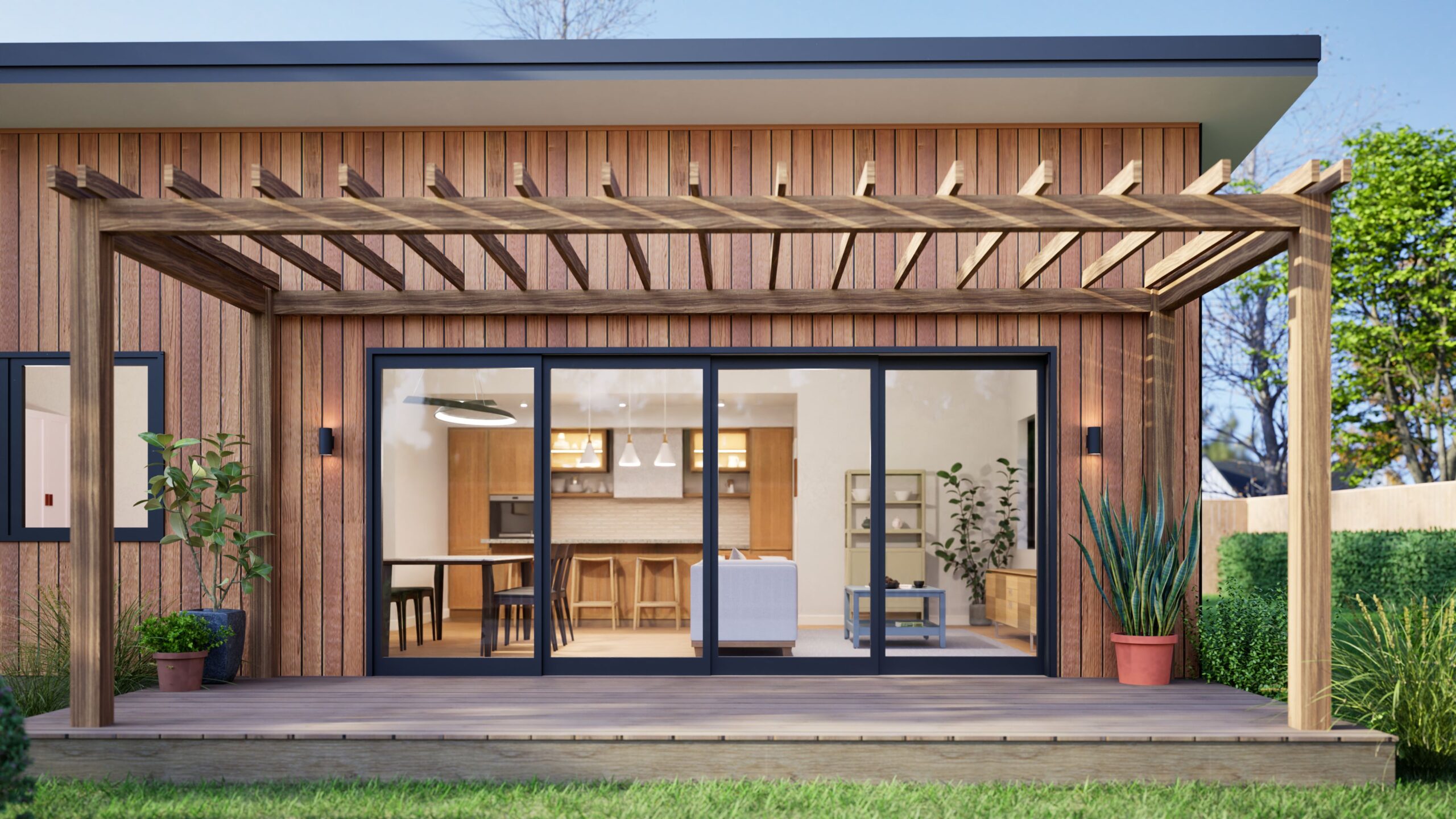
Cosy Cabins’ transportable granny flats are eco-friendly, customizable, and ideal for residential, rural, or Māori purpose zones. They meet NES standards and comply with local rules like wastewater and fire safety. Their portability allows ongoing depreciation (unlike fixed buildings) and a 20% upfront tax deduction from the 2025 Budget. Shape the reforms by submitting feedback at the Ministry for the Environment’s website by July 27, 2025, and contact Cosy Cabins to explore our granny flats. Build your dream space now!
Cosy Cabins have dedicated plans and a straightforward building process you will love when buying your granny flat.
Browse options here (https://www.cosycabins.co.nz/all-cabins/) and get in touch!
Appendix: Proposed National Direction Instruments
The following 16 new or updated national direction instruments are proposed under the RMA (May 2025 discussion documents, subject to consultation):
- NES for Granny Flats: Permits one granny flat up to 60m² per title without resource consents in residential, rural, mixed-use, or Māori purpose zones, subject to setbacks and other rules.
- NES for Papakāinga: Allows up to 10 papakāinga homes on communally owned Māori land without resource consents.
- NES for Residential Development: Streamlines urban housing processes.
- NES for Infrastructure: Addresses stormwater and infrastructure for small-scale housing.
- NPS for Urban Development: Supports higher-density housing, including granny flats.
- NPS for Māori Land Development: Facilitates papakāinga on Māori land.
- NES for Building Standards: Ensures consent-exempt structures meet the Building Code.
- NPS for Housing Affordability: Promotes housing supply and affordability.
- NES for Rural Zones: Simplifies rural housing development rules.
- NPS for Environmental Protection: Balances housing with environmental safeguards.
- NES for Mixed-Use Zones: Enables flexible housing in mixed-use areas.
- NPS for Sustainable Communities: Encourages community-focused housing.
- NES for Consent Exemptions: Defines consent-exempt activities, including small-scale housing.
- NPS for Land Use Planning: Aligns land use with housing reform goals.
- NES for Māori Purpose Zones: Supports culturally appropriate housing on Māori land.
- NPS for Infrastructure Resilience: Ensures infrastructure supports new housing.
To find out more about our range, features and bespoke options Get in touch today.